
Farmer from Kharkiv region: 'Thanks to demining, I can cultivate my land again'
February 14, 2025
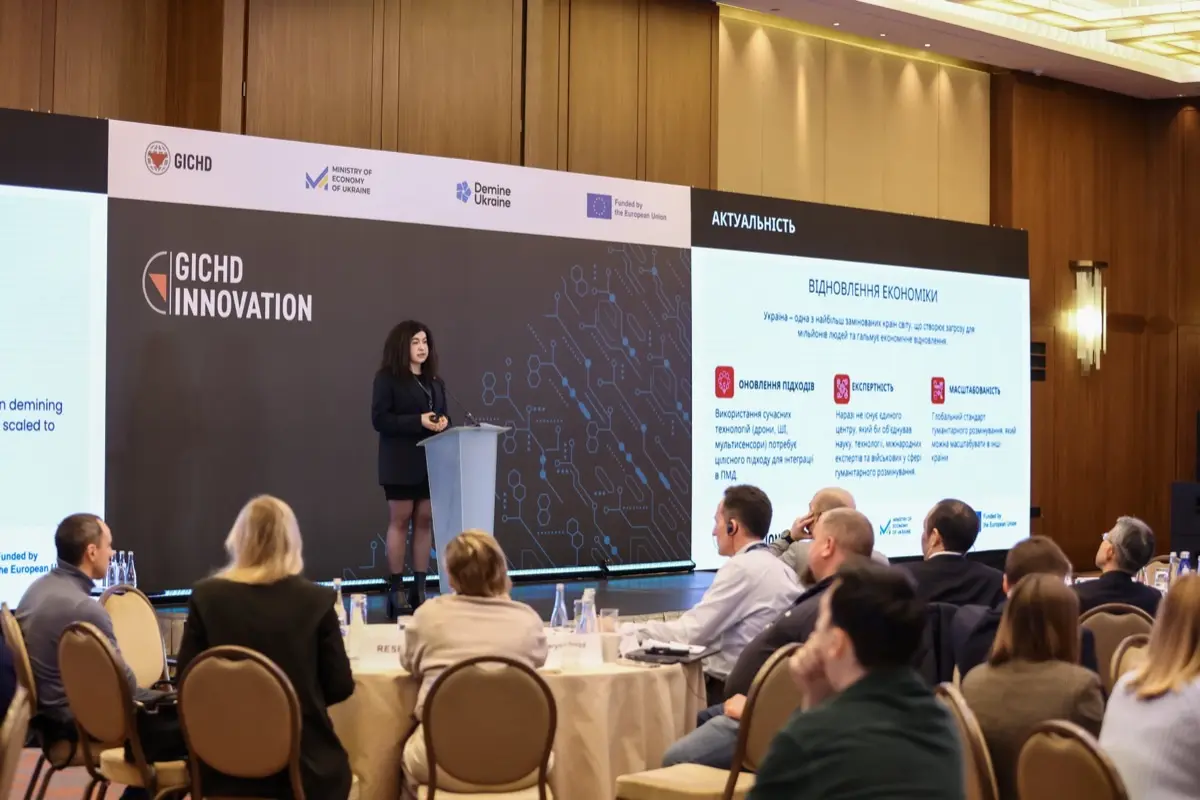
More than 100 experienced Ukrainian and international professionals, researchers, and mine action technical specialists took part in the Innovation Session on Mine Action in Ukraine. The event was jointly organized by the Geneva International Centre for Humanitarian Demining (GICHD) and the Ministry of Economy of Ukraine with the financial support of the European Union.
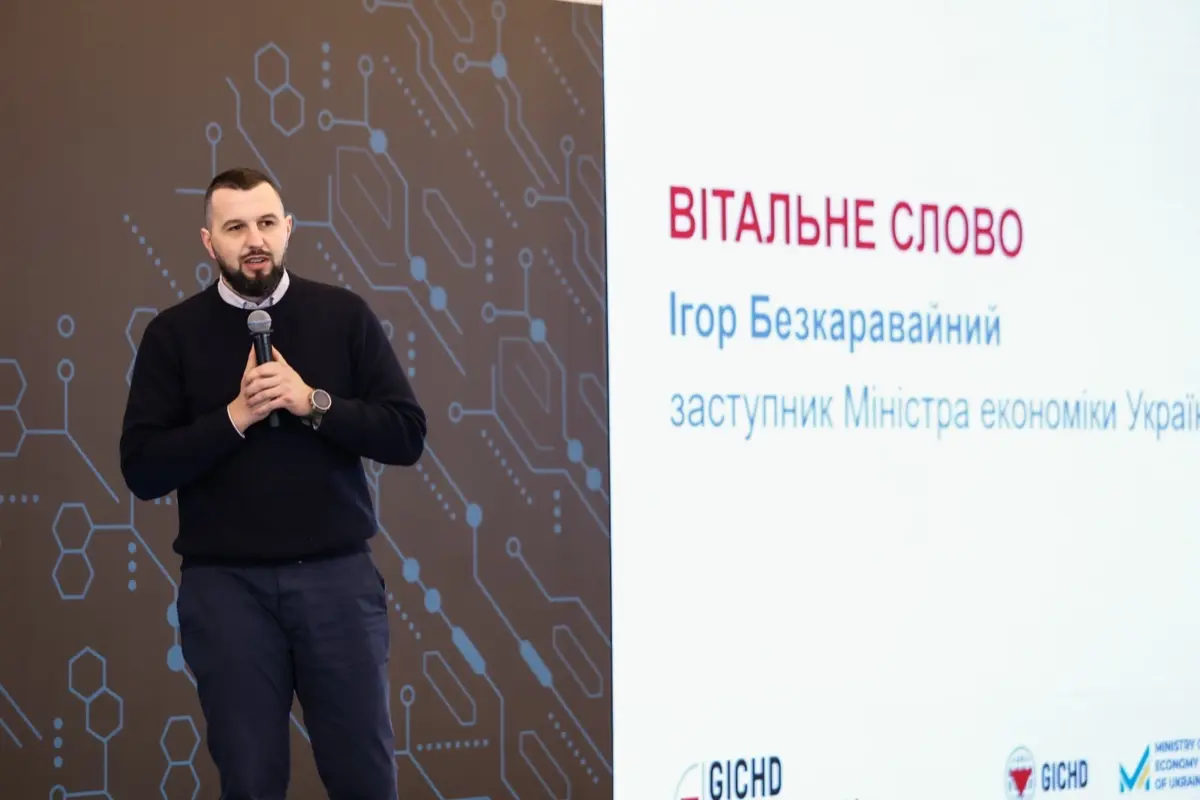
"Let's make innovations, not headlines. So that the result is in the field, and not only in bright headlines," said Deputy Minister of Economy of Ukraine Ihor Bezkaravainyi during his welcoming speech at the opening of the Innovation Session.
Valon Kumnova, Head of Operations at GICHD, emphasized the importance of rethinking approaches when solving demining problems. "To truly unleash the power of innovation, we must be bold, take risks, and not be afraid to make mistakes. It is through mistakes that we learn; it is the key to progress. Therefore, the biggest risk — is not a mistake, but inaction. Innovation will never work without testing, trials, and failures," stressed Mr. Valon.
During the Innovation Session, participants worked in the format of plenary sessions and thematic working groups. Specifically, they discussed the effectiveness of the demining process, testing and scaling innovations, improving coordination at the national level, and determining criteria for evaluating new technologies. Special attention was paid to the use of multi-sensor systems for ERW detection, which are already showing good results at the testing and field trial stage.
"Innovation makes humanitarian demining more efficient, faster, and most importantly — safer. What we achieve together in Ukraine will not only save lives here but will also have a far-reaching impact. The lessons we learn, the methods we refine, and the technologies we develop will reinforce global demining efforts for years to come," emphasized the Deputy Head of the EU Delegation to Ukraine Rémi Duflot.
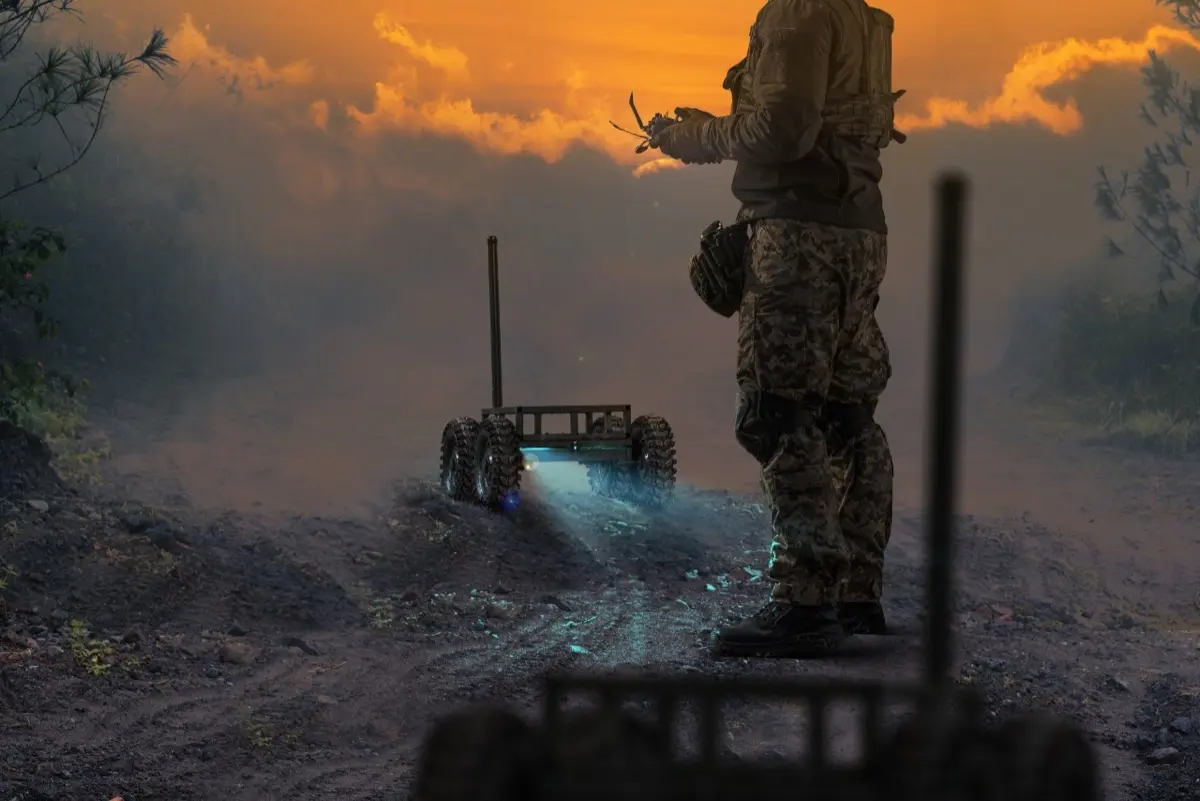
The Innovation Session became a key platform for uniting experienced mine action practitioners as well as experts in the field of research and technology. Within the session, teams of participants presented innovative ideas and projects that are already ready for further continuous development and practical implementation. Particular attention was paid to the use of modern technologies, including artificial intelligence, robotic systems, and data analytics, which could significantly increase demining efficiency.
Mathias Schmale, the UN Resident Coordinator in Ukraine, noted the importance of developing innovation in mine action despite the full-scale war. "We shouldn't forget that the war is ongoing. It is astounding that Ukraine is not waiting for the end of the war to begin work on recovery and development, including demining. I am seeing truly impressive results, but there are certainly challenges. I hope participants will focus on finding ways not only to use technologies to speed up processes but also to increase their effectiveness," he emphasized.
At the event, Ukrainian and international developers also showcased innovative technologies being used in humanitarian demining.